

A parent's guide toManaging Childhood Grief
100 Activities for Coping, Comforting, & Overcoming Sadness, Fear & Loss
by Katie Lear, LCMHC, RPT, RDT
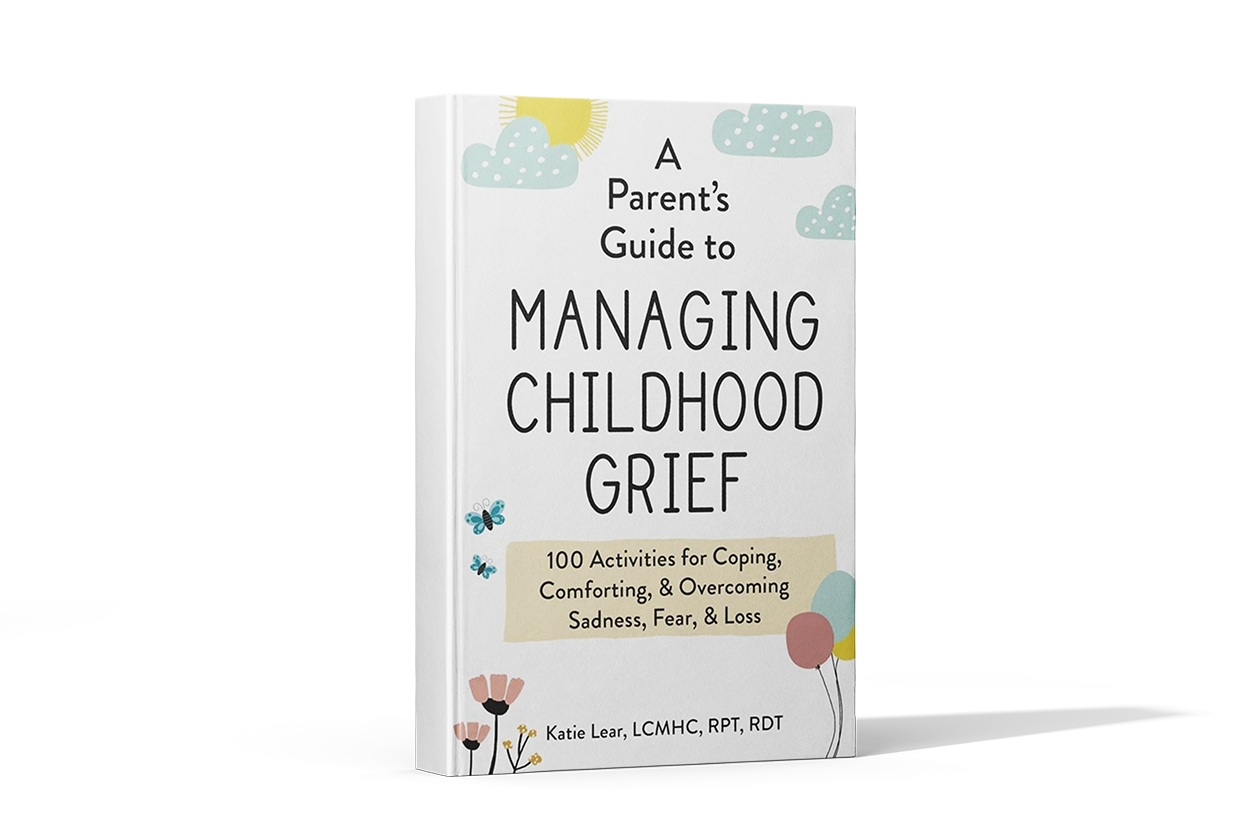
Grief can feel overwhelming for both you and your child. This activity-based guide offers a gentle, practical way to navigate loss together, using play-based techniques designed specifically for kids and their caregivers.
Inside, you’ll find tools to help your child process big emotions, build coping skills, and begin to make sense of what they’re going through—while staying connected as a family. Whether your child is feeling sadness, fear, anger, or confusion, this book provides support you can return to again and again, right at home.
Read the New York Times Reviewof A Parent’s Guide to Managing Childhood Grief.
Buy your copy →
The new york times"...particularly welcome right now. Kids of different ages and genders grieve differently, and Lear shows you how to help your child cope."

Support for Caregivers
There’s no guidebook for grief, and parents and caregivers have a big job helping their children through a loss. In this book, parents learn:
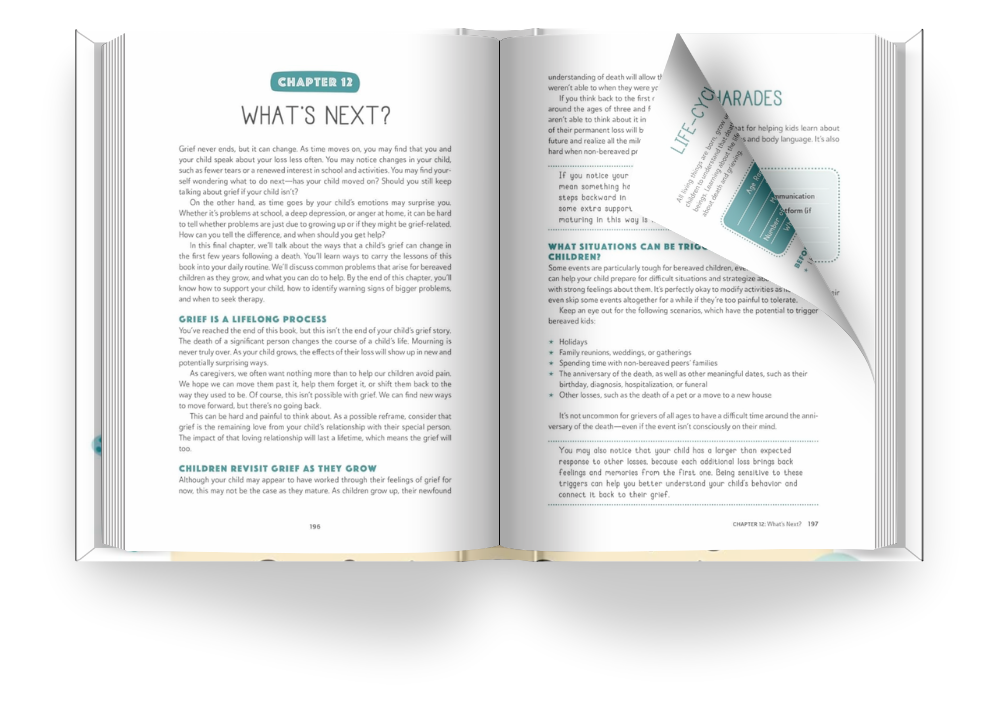
• How children grieve differently from adults
• How to support without forcing them to talk
• What research says is helpful and unhelpful
• How to explain death (suicide, illness, overdose)
• Signs that your child needs extra support

Activities for Children
We can’t take a child’s grief away, but we can help them learn to handle it so they can continue to grow and thrive. Through play, kids can learn:
• Age-appropriate info about death, grief, and loss
• How to cope with guilt about a loved one’s death
• Skills to manage complicated feelings
• How to keep a loved one’s memory alive
• Finding meaning, purpose, and hope after loss
It’s not easy to talk
about grief with kids.
It’s not easy to talk about grief with other adults. It’s heartbreaking, scary, and there aren’t easy answers. But kids are looking to us to figure out how they should be thinking and feeling about their loss. When a grandparent, parent, sibling, or other loved one dies, kids are left with a lot of questions—whether or not they’re asking them out loud. Grieving children may wonder:
• Did I do something to cause my loved one to die?
• What happens to my loved one after they die?
• Are the feelings I’m having normal?
• Am I safe? Is my family safe?
• Why did this unfair thing happen to me, and not somebody else?
• My parent is going through a lot…will sharing my feelings make it worse?
Kids who don’t get a chance to talk about their grief may develop misunderstandings about what happened that keep them from healing. Talking with your child about grief is hard, but helpful. Gathering together to do an activity makes it a little easier to get the conversation flowing.
Grief activities for children inspired by play therapy and CBT
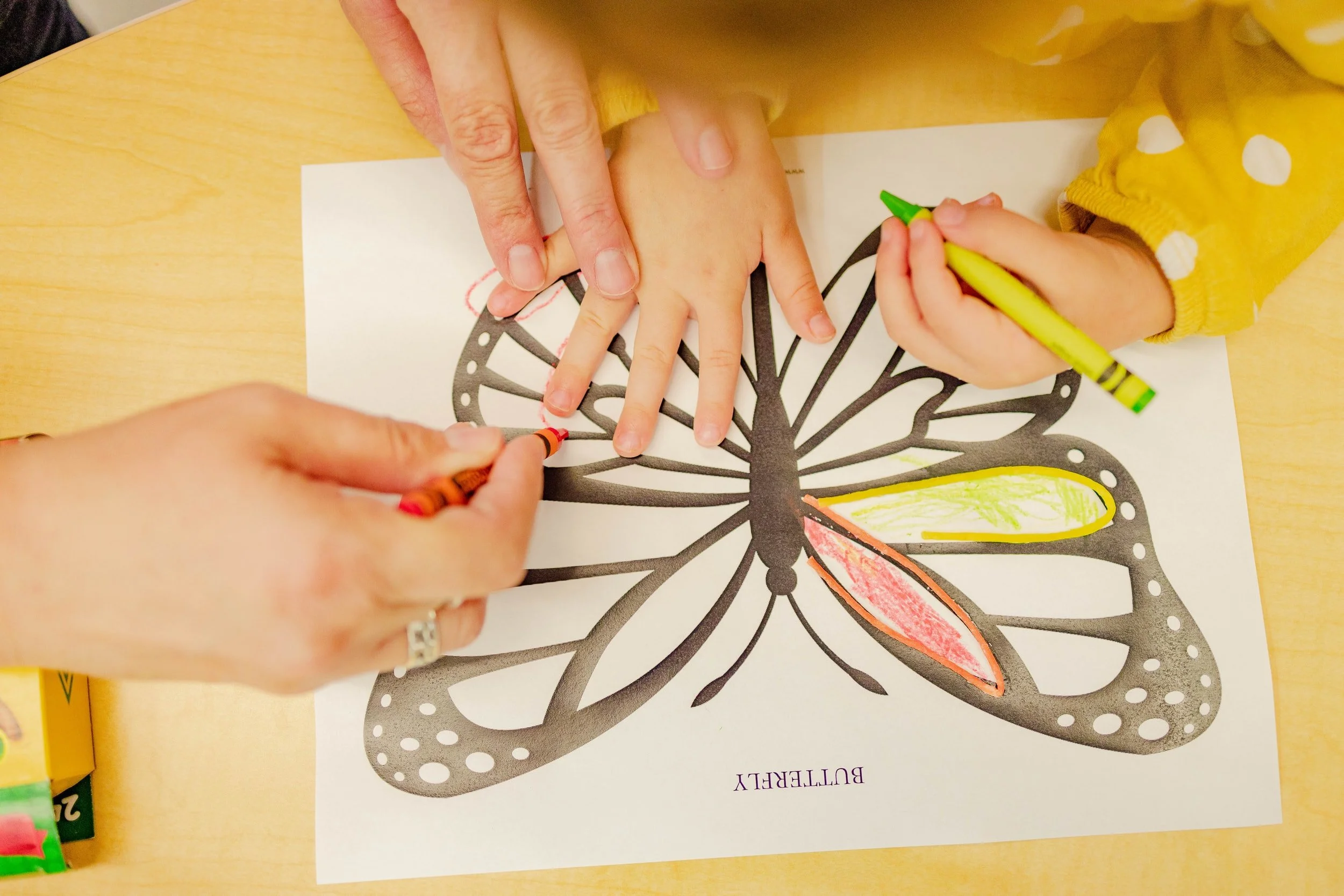
Play helps children express feelings that are too big to put into words. It’s how they naturally make sense of what’s happening around them. By creating playful opportunities, we can help children feel more comfortable opening up about tough subjects like grief and loss.
Inside A Parent’s Guide to Managing Childhood Grief, you’ll find ways to use drawing, painting, clay, music, and make-believe to help children express themselves, along with child-friendly skills for soothing anger, worry, and sadness.
The activities in this book are inspired by my work as a children’s therapist, adapted to support parents and kids at home. While an activity book isn’t a replacement for therapy, grieving kids don’t always need to see a counselor. As painful as it is, grief is a natural and healthy response to loss.
Activities that will work face-to-face or online
Grief is overwhelming, and caregivers may find themselves pulled in many directions when a loved one dies. Other caring adults can help ease this burden by participating in grief activities with children, whether they are near or far. No matter where you live, you can help support the grieving child in your life.
Platforms like Zoom and FaceTime make it easier to keep in touch with each other. However, it’s not always so easy to figure out what to do with kids in those online calls! Many of the activities in A Parent’s Guide to Managing Childhood Grief were designed with online interaction in mind. They work great for time spent together in person, but you’ll find ways to make them work well virtually, too.
Whether you’re playing charades on Zoom, watching a video together, or sharing favorite music, activities help you spend quality time from a distance. By using technology in creative ways, kids can express their feelings, share their experiences, and feel a little bit less alone. Just check the top of each activity page to see if it’s online-friendly.
Support your child through grief